Wise vs Traditional Currency Converters: When to Use Each Tool in 2026
Wise is often called a currency converter, but it’s actually a money transfer platform. Learn the difference between rate checkers and transfer services and when to use each in 2026.

Wise vs Traditional Currency Converters: When to Use Each Tool in 2026
Many people search for terms like:
- “Wise currency converter”
- “currency converter to USD”
- “US currency converter”
and assume all currency tools work the same way.
They don’t.
In reality, there are two completely different tools involved in currency exchange:
- Currency converters – used to check exchange rates
- Money transfer services – used to actually move money
Understanding this difference helps you avoid confusion, hidden fees, and poor exchange rates.
The Core Difference (Simple Explanation)
1. Currency Converters
Currency converters are rate reference tools.
They allow you to:
- check the current exchange rate
- convert amounts instantly
- compare currencies for budgeting or planning
They do not move money.
Examples include:
- Google Currency Converter
- XE rate tools
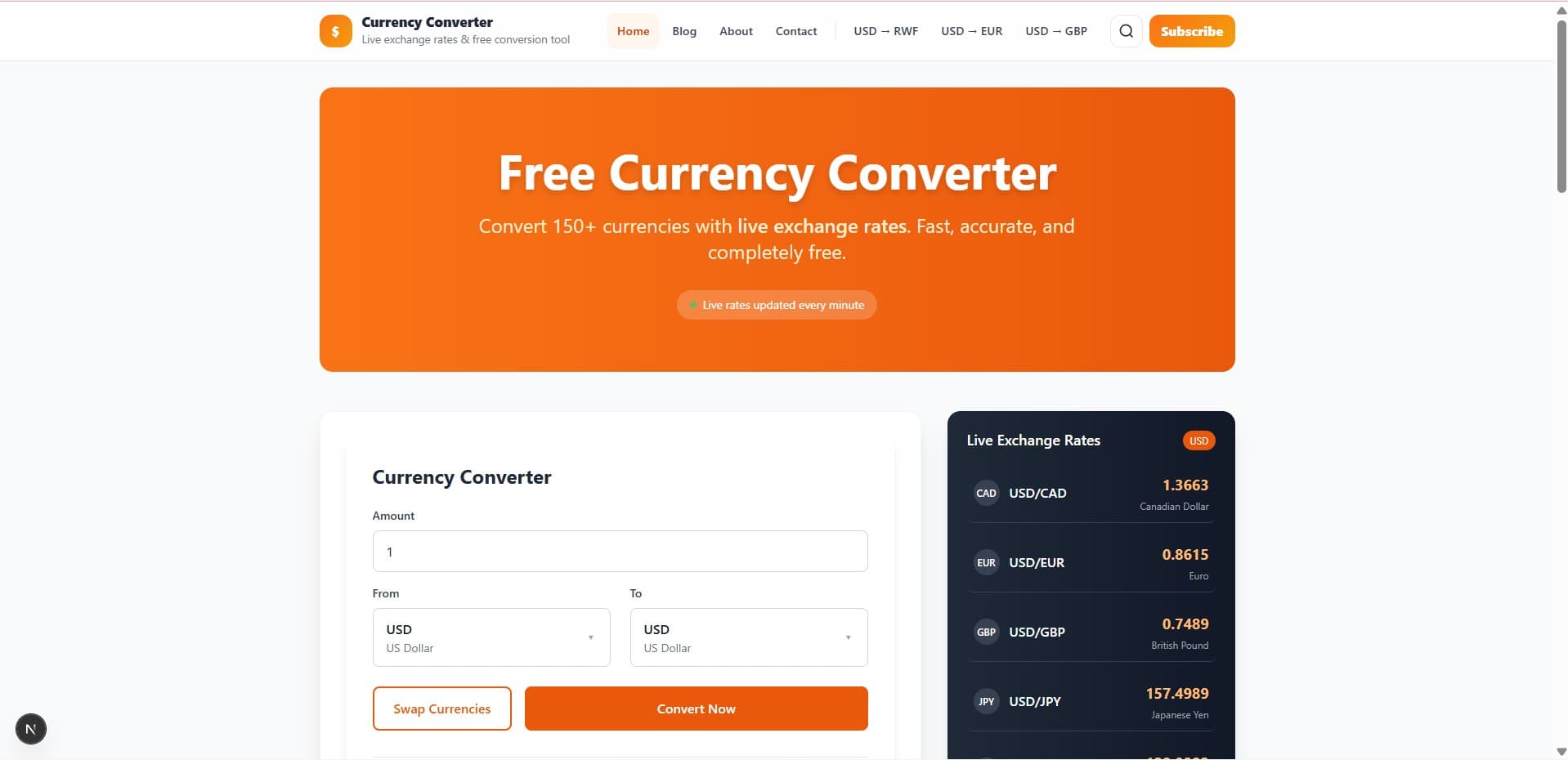
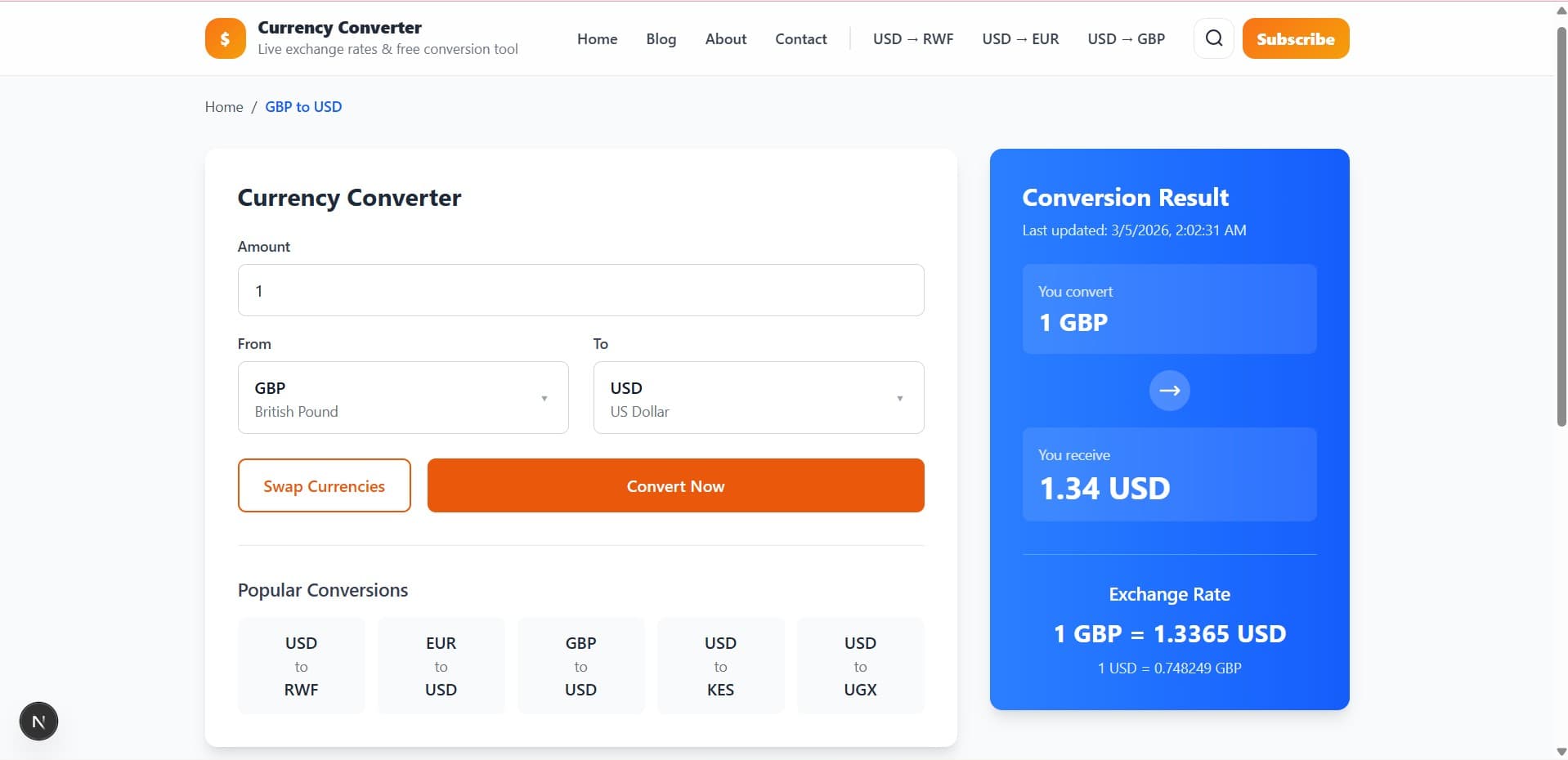
- independent converter tools like ours
These tools help answer questions such as:
- “How much is $1,000 worth in euros today?”
- “What is the current USD to GBP rate?”
- “Is this bank’s exchange rate fair?”
To understand how these rates are calculated, see:
2. Money Transfer Services
Money transfer platforms actually move funds between currencies.
They:
- process international payments
- charge service fees
- handle compliance and banking infrastructure
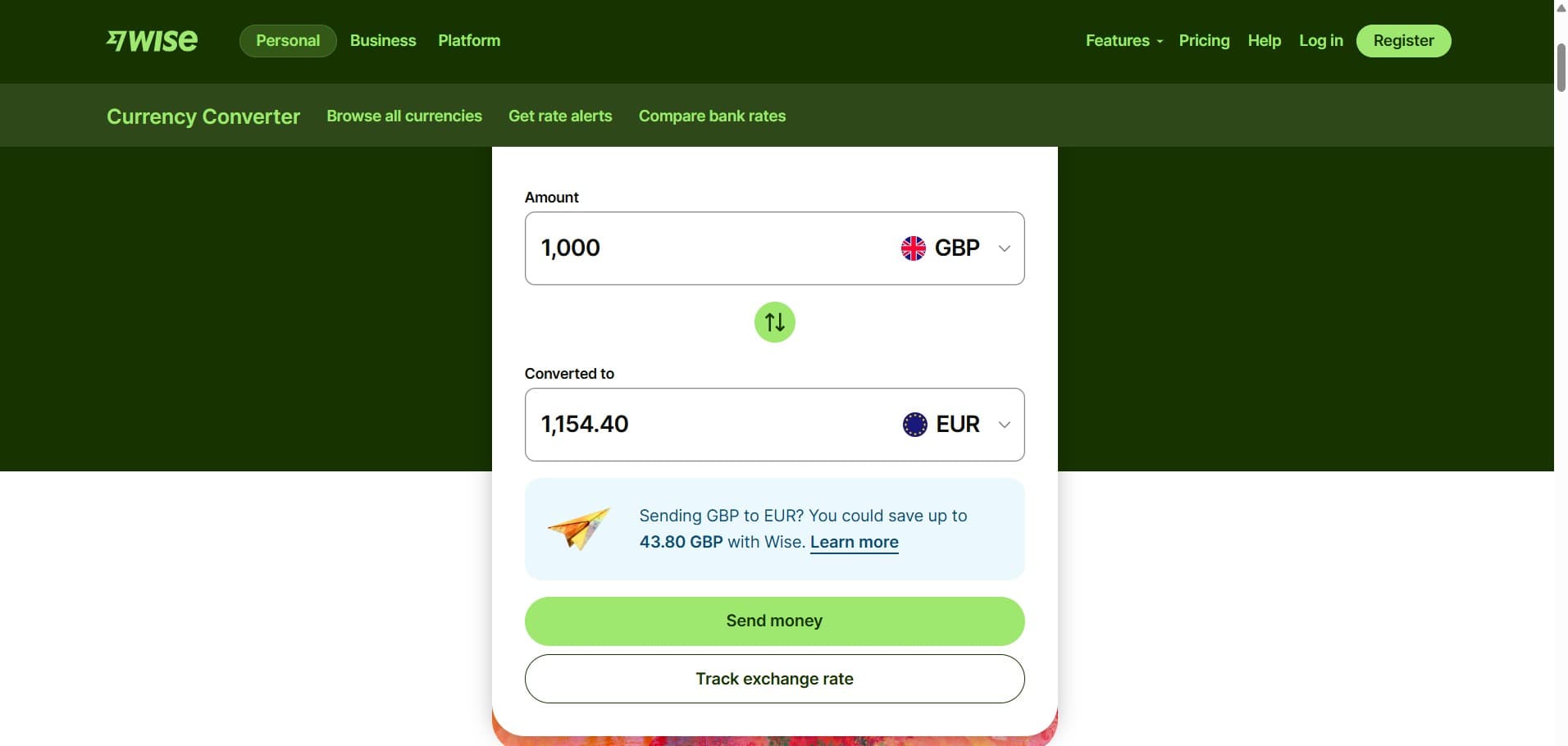
One of the most well-known services is Wise (formerly TransferWise).
Wise is not just a converter — it is a financial transfer platform.
What Wise Actually Does
Wise provides several services:
- international money transfers
- multi-currency accounts
- international debit cards
- cross-border business payments
Because Wise must convert currencies during transfers, it displays exchange rates.
However, its main purpose is sending money, not simply checking rates.
Why Wise Exchange Rates Look Competitive
Wise became popular because it:
- uses the mid-market exchange rate
- displays fees clearly
- avoids hidden spreads inside the rate
This transparency makes Wise significantly better than many traditional banks.
To learn more about the mid-market rate, see:
However, even though Wise uses the real rate, a service fee still applies.
The final amount received depends on that fee.
Example: Currency Converter vs Wise
Imagine converting $1,000 USD to EUR.
Using a currency converter
$1,000 USD → €913.00
This result represents the mid-market reference value.
The purpose is informational — no money moves.
Using Wise
Wise uses the same mid-market rate but adds a visible service fee.
After the fee, the recipient might receive approximately:
$1,000 USD → €898 – €902
The exact amount varies depending on timing and payment method.
Wise is transparent, but it is not a free service.
When to Use a Traditional Currency Converter
A currency converter is best when you want to:
- check the fair market exchange rate
- compare banks or transfer services
- convert currencies for budgeting
- verify if a rate includes markup
- estimate prices when shopping abroad
These tools help you understand the real value of money before any fees are applied.
You can also read:
When to Use Wise
Wise becomes useful when you need to:
- send money internationally
- receive payments from overseas clients
- hold multiple currencies
- pay international suppliers
- avoid traditional bank FX markups
In short:
Currency converters help you analyze rates.
Wise helps you complete transactions.
The Smart Workflow Most Professionals Use
Experienced users combine both tools.
Step 1: Check the rate
Use a currency converter to verify the true mid-market rate.
This gives you a neutral reference.
Step 2: Send the money
Use Wise or another transfer platform to send the funds.
Because you already know the real rate, you can easily see whether the fee is reasonable.
Why This Matters for USD Conversions
Many people search specifically for:
- currency converter to USD
- US currency converter
Often they simply want a clean reference value, not an immediate transfer.
A converter provides that clarity.
Wise provides the final transfer result after fees.
Both are useful — but for different purposes.
Common Mistakes to Avoid
When converting currencies, avoid these common errors:
- using transfer apps only to check rates
- trusting bank exchange rates without comparison
- assuming “mid-market rate” means no fees
- relying on converter apps with hidden spreads
For more examples, read:
Why Independent Currency Converters Still Matter
Independent converters exist for one reason:
rate transparency.
They allow users to:
- see the real exchange rate
- detect hidden spreads
- compare services fairly
Because they don’t move money themselves, they can act as neutral reference tools.
Final Thoughts
Wise and traditional currency converters serve different roles.
- Currency converters provide accurate exchange rate information
- Wise provides actual international money transfers
The best strategy is simple:
- Check the mid-market rate first
- Compare transfer services
- Choose the most transparent option
Using both tools together gives you the clearest understanding of what your money is really worth.
Related Guides
- How Exchange Rates Work (Beginner Guide)
- Currency Converter Calculator Guide
- Hidden Fees Currency Converter Checklist
About the Author
Jadox builds practical financial tools and writes beginner-friendly guides about currency converters, exchange rates, and global payments.
Disclaimer: Exchange rates and service fees vary depending on time, payment method, and provider. Examples are simplified for educational purposes.
🏷️ Topics
📖 Continue Learning
More guides from the same category