The Hidden Fees Checklist: 5 Ways Your Currency Converter App Might Be Costing You Money
Many currency converter apps look free but hide costs through delayed rates, markups, and Dynamic Currency Conversion traps. Learn how to spot hidden currency converter fees and avoid overpaying.


The Hidden Fees Checklist: 5 Ways Your Currency Converter App Might Be Costing You Money
Most people assume a currency converter app simply shows an exchange rate.
You open the app, type an amount, and get a result.
But not all currency converter apps are truly neutral tools.
Some quietly introduce hidden costs or misleading exchange rates that can cause you to overpay when traveling, shopping online, or sending money abroad.
This checklist helps you identify whether your converter app is actually working in your favor or silently costing you money.
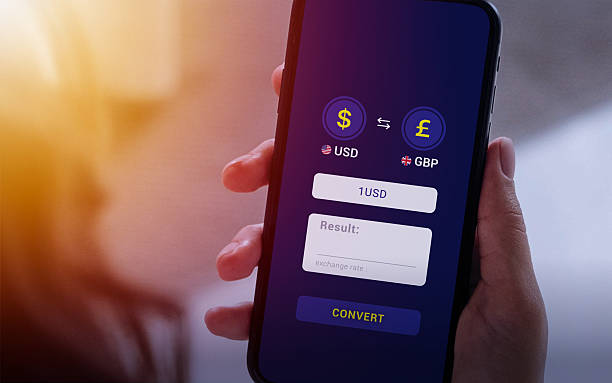 Some apps display rates that look accurate but include hidden spreads or outdated data.
1. Delayed Exchange Rate Updates
Some converter apps advertise “live exchange rates” but only update their data every few hours.
Exchange rates in the foreign exchange market change constantly. Even small delays can cause noticeable differences when converting larger amounts.
Why it matters:
- Online purchases may cost more than expected
- Travel spending may be miscalculated
- Money transfers may appear cheaper than they actually are
A reliable converter should always display when the rate was last updated.
To understand why exchange rates move so frequently, see:
2. Hidden Exchange Rate Markups
The most common hidden cost is a spread added to the exchange rate.
Instead of showing the true mid-market rate, some apps:
- round the rate slightly
- apply a hidden percentage
- display a rate already adjusted for profit
A markup of just 2% may seem small, but it becomes expensive when converting larger amounts.
Transparent converters usually show:
- the mid-market rate
- the data source
- the update time
This allows users to verify the accuracy of the conversion.
3. Dynamic Currency Conversion (DCC)
Dynamic Currency Conversion is one of the biggest hidden fee traps in international payments.
It occurs when a payment terminal offers to charge you in your home currency instead of the local one.
Although this looks convenient, the exchange rate used is often significantly worse.
For a detailed explanation of how this works, see:
→ The Airport Trap: Mastercard & Visa Currency Converter Rates Explained
The safest rule when paying abroad is simple:
Always choose the local currency.
4. Outdated Offline Rates
Many travelers rely on converter apps when they don’t have internet access.
Offline mode can be helpful — but it can also introduce inaccuracies.
Some apps store cached exchange rates without clearly showing when they were last updated.
If those cached rates are several days old, the conversion result may be noticeably wrong.
A good converter app should:
- clearly display the timestamp of the stored rate
- allow users to refresh data before going offline
You can read more about reliable offline tools here:
5. Limited Multi-Currency Comparison
Some basic converter apps only allow one currency pair at a time.
This can make it harder to compare multiple currencies or understand which conversion path is most efficient.
For example, a traveler comparing costs across several countries may want to see:
100 USD → EUR
100 USD → GBP
100 USD → JPY
Advanced converters allow multi-currency comparisons, making it easier to understand global price differences instantly.
For deeper calculations involving budgets, fees, or pricing decisions, see:
→ Currency Converter Calculator: Why You Need More Than a Simple Rate Tool
What a Transparent Currency Converter Should Provide
A trustworthy converter tool typically includes:
- mid-market exchange rates
- clear update timestamps
- reliable offline functionality
- multi-currency comparisons
- historical charts for context
These features help users understand the real value of their money instead of relying on misleading numbers.
Why Transparency Matters
Currency conversion is involved in many everyday situations:
- international travel
- global online shopping
- freelance payments
- overseas education costs
Small differences in exchange rates can accumulate over time, especially when dealing with larger amounts.
Understanding how converter apps work helps you avoid unnecessary losses.
Final Thoughts
Currency converter apps should make financial decisions easier — not more confusing.
By checking for:
- delayed exchange rates
- hidden spreads
- Dynamic Currency Conversion traps
- outdated offline data
- limited comparison features
you can quickly identify whether your current converter app is reliable.
A transparent tool helps you understand the real value of your money.
Related Guides
- How Exchange Rates Work (Beginner Guide)
- Currency Converter Calculator Guide
- Mastercard & Visa Currency Converter Airport Trap
About the Author
Jadox builds practical financial tools and writes beginner-friendly guides about currency converters, exchange rates, and global payments.
Disclaimer: Exchange rates and financial service fees vary by provider and country. This guide is for educational purposes only.
🏷️ Topics
📖 Continue Learning
More guides from the same category