Finding the Most Accurate Currency Converter: A Guide to Real-Time Exchange Rates
What makes a currency converter accurate? This guide explains mid-market rates, real-time data, and how to choose a reliable currency converter for financial decisions.

Finding the Most Accurate Currency Converter: A Guide to Real-Time Rates
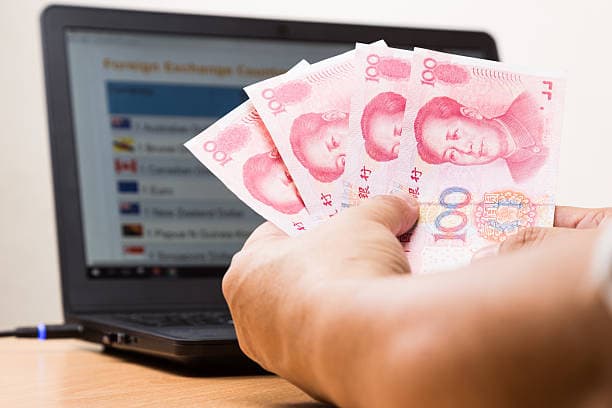
In today’s connected global economy, an accurate currency converter is more than a convenience — it’s a financial necessity.
Whether you are:
- sending international payments
- shopping from foreign websites
- managing cross-border business costs
- planning travel budgets
even a small delay or hidden markup in exchange rates can cost real money.
This guide explains what makes a currency converter accurate, why different tools show different rates, and how to identify reliable conversion tools.
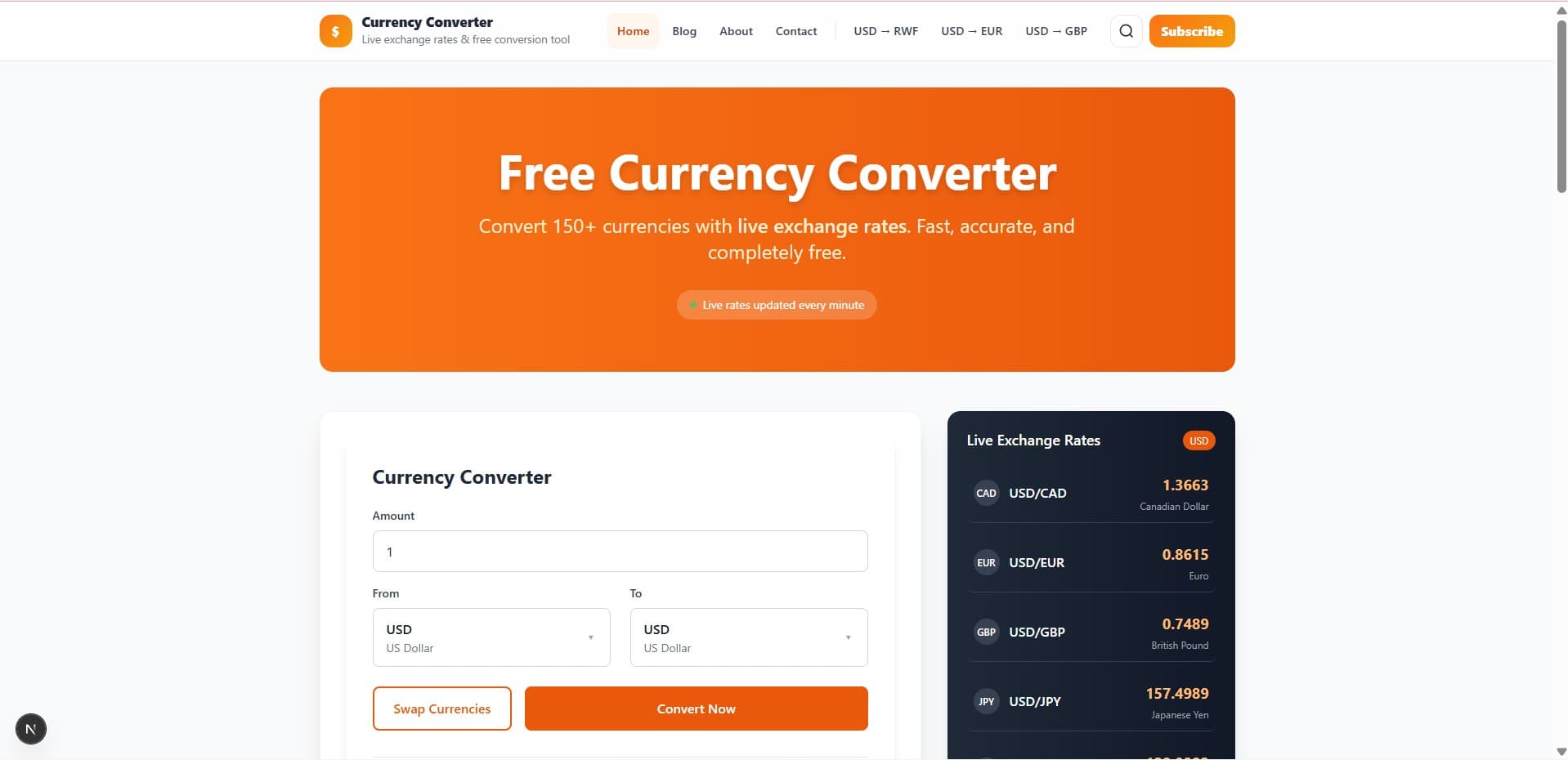
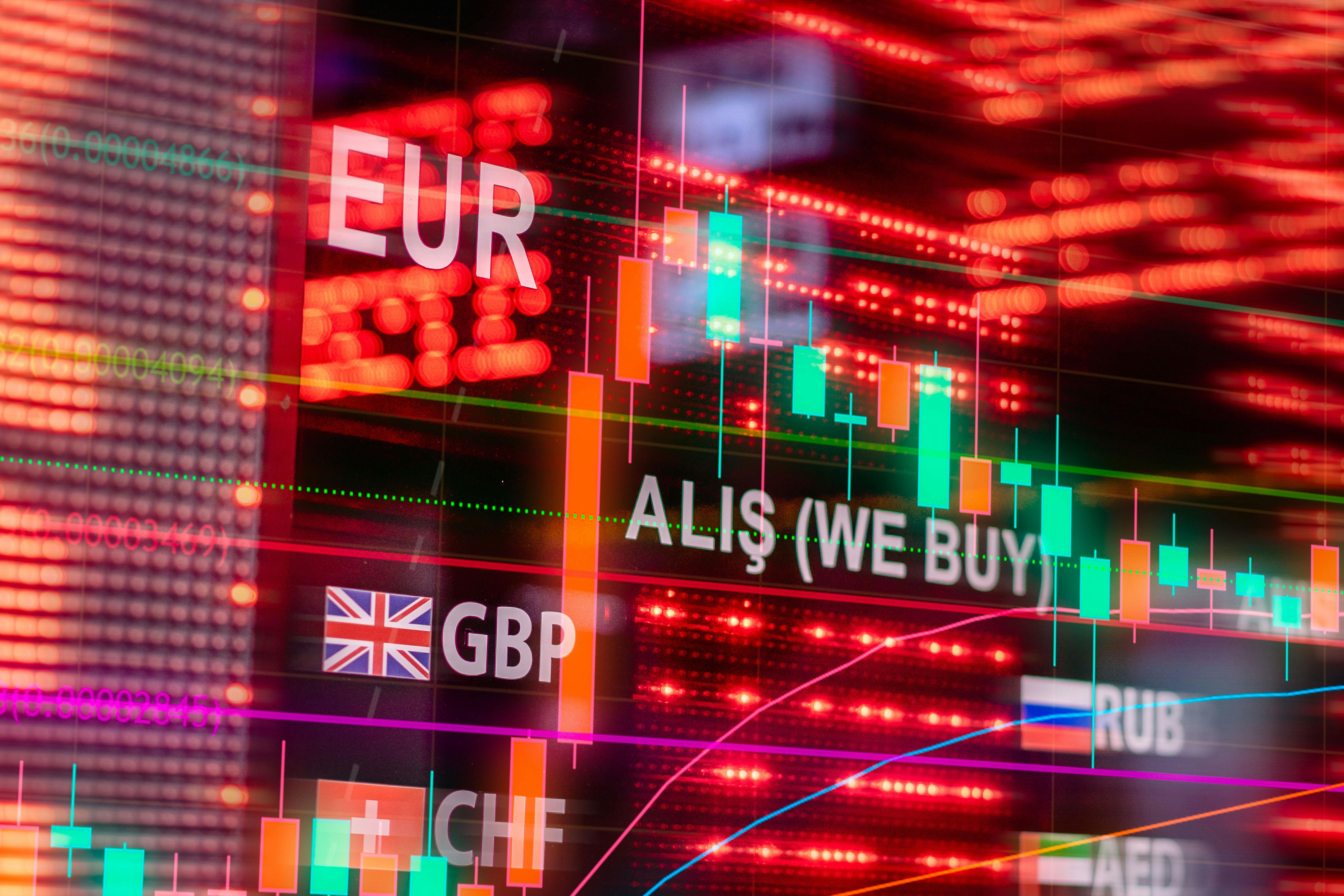 Accurate currency converters rely on real-time exchange rate data.
What Does “Accuracy” Mean in Currency Conversion?
Currency conversion accuracy depends on two important factors:
1. Rate Precision
The most accurate reference rate is the mid-market exchange rate.
The mid-market rate is the midpoint between the global buy and sell prices of a currency pair on the foreign exchange market.
This rate is considered the true market value because it does not include markups or fees.
Financial institutions may apply additional spreads when offering conversion services.
2. Data Timeliness
The foreign exchange (Forex) market operates 24 hours a day during the work week.
Exchange rates change constantly as currencies are traded globally.
An accurate converter should update frequently to reflect the most current market conditions.
Converters using outdated or cached data may show values that no longer represent the current market.
Why Different Currency Converters Show Different Rates
It’s common to see slightly different exchange rates across websites and apps.
Several factors explain these differences.
Delayed Data Sources
Some free converters update exchange rates only:
- once per day
- every few hours
- with a delay of several minutes
For volatile currencies, these delays can lead to inaccurate estimates.
Hidden Margins
Banks and money transfer providers often include their margin directly in the displayed exchange rate.
Instead of charging a visible fee, they slightly adjust the rate.
This difference is known as the spread.
Cached Data for Website Speed
Websites sometimes cache exchange rate data to improve loading performance.
If the cache is not refreshed frequently, users may see outdated rates.
Different Data Providers
Converters rely on various financial data providers.
Some tools use institutional Forex feeds, while others rely on aggregated public data.
Reliable tools typically source data from reputable financial data providers.
Features of a Reliable Currency Converter
When choosing a converter tool, look for these features:
- Live or frequently updated exchange rates
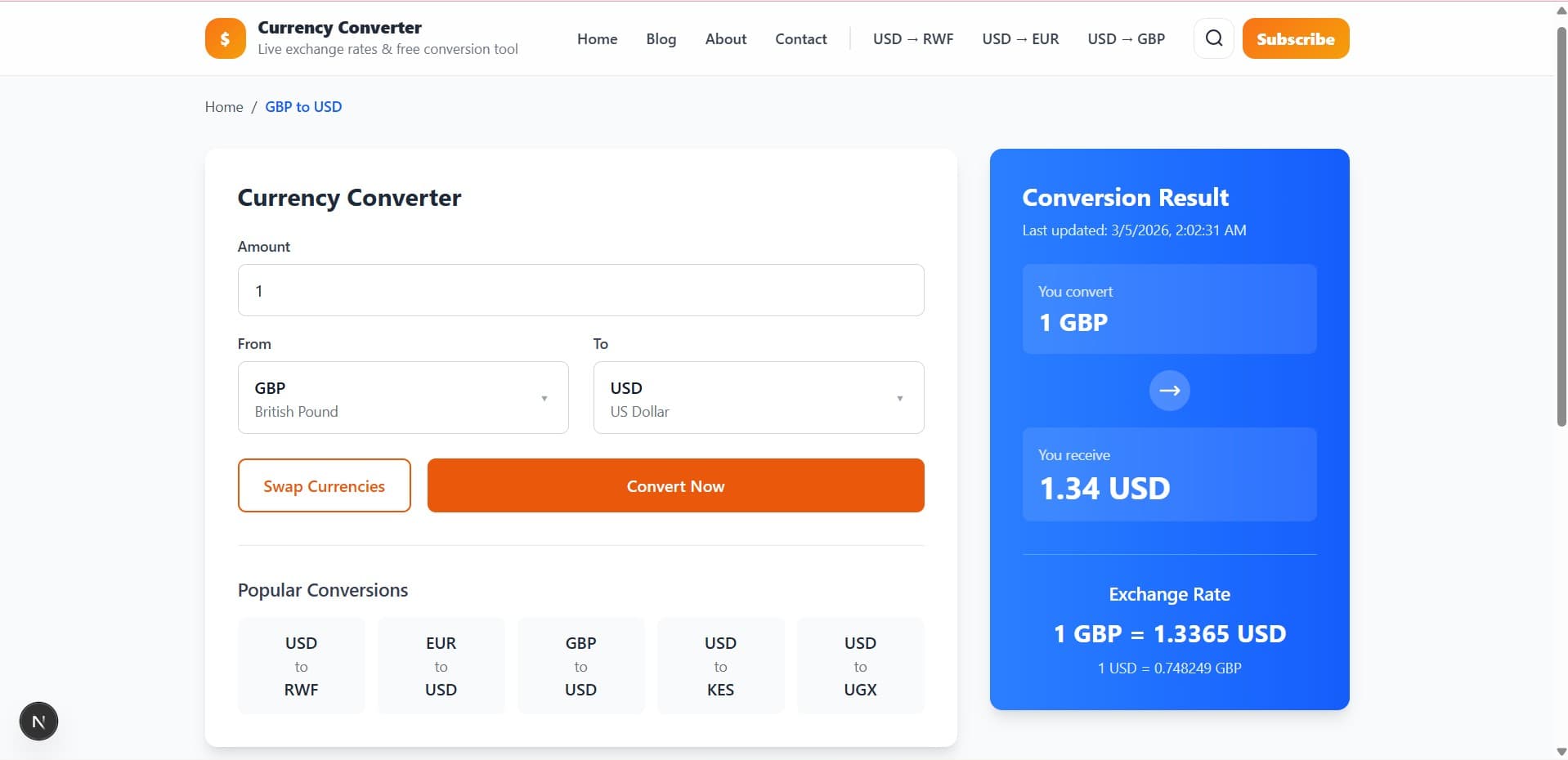
- Clear timestamp showing last update
- Transparent data sources
- Support for multiple currencies
- Historical rate charts
Understanding these features helps users choose trustworthy conversion tools.
For example, advanced tools often include features beyond simple conversion.
Related guide:
→ Beyond the Basics: 7 Must-Have Features in Currency Converter Apps
Using an Accurate Converter for Better Financial Decisions
A reliable converter can help users make smarter financial decisions.
Step 1: Enter the Conversion Amount
Start with the total amount you want to convert.
For clarity, use the amount before any external service fees.
Step 2: Select the Currency Pair
Choose the source currency and the target currency.
Example pairs include:
- USD → EUR
- GBP → USD
- CNY → USD
If you regularly convert between specific currencies, a dedicated converter tool may simplify the process.
Example guide:
Step 3: Compare the Result
Use the mid-market rate as a benchmark when evaluating:
- bank exchange offers
- payment provider quotes
- transfer services
This helps reveal hidden margins.
Practical Tips for Getting the Best Exchange Rate
1. Check the Mid-Market Rate First
Before sending or converting money, verify the real market rate.
This helps you recognize when a service includes large markups.
2. Be Careful With “No Fee” Claims
Some services advertise zero fees but adjust the exchange rate instead.
Always compare the offered rate to the reference mid-market rate.
3. Monitor Rate Trends
If your transaction is not urgent, monitoring exchange rate trends may help you choose a better time to convert.
Many converters offer historical charts to provide context.
For deeper planning tools, see:
→ Currency Converter Calculator: Why You Need More Than a Simple Rate Tool
4. Use Trusted Converter Tools
Bookmarking a reliable converter makes it easier to check rates quickly before any international transaction.
The Basic Currency Conversion Formula
Understanding the conversion formula allows users to verify calculations.
Conversion formula
Amount in Target Currency = Amount in Source Currency × Exchange Rate

```id="v8aqx2"

### Example using a mid-market rate

If the USD → EUR rate is **0.92**:
100 USD × 0.92 = 92 EUR
### Example with a marked-up rate

If a service applies a lower rate of **0.90**:
100 USD × 0.90 = 90 EUR
The difference represents the hidden cost.
Final Thoughts
An accurate currency converter provides transparent, real-time access to the mid-market exchange rate.
This rate acts as a reliable benchmark that helps users:
- evaluate service offers
- identify hidden spreads
- plan international payments
- make informed financial decisions
Understanding how exchange rates work allows you to approach cross-border transactions with greater confidence.
Related Guides
- Currency Converter Calculator: Why You Need More Than a Simple Rate Tool
- 7 Must-Have Features in the Best Currency Converter Apps
- Pounds to Dollars Made Simple (GBP/USD Guide)
About the Author
Jadox is a web developer and digital tools creator who builds practical online tools and writes beginner-friendly guides about currency conversion, international payments, and financial utilities.
Disclaimer: Exchange rates change constantly. This article is provided for educational purposes only and does not constitute financial advice.
🏷️ Topics
📖 Continue Learning
More guides from the same category